
Finned Tube Manufacturer, Supplier & Exporter in India
Helical • Bimetallic • Low Fin • Longitudinal • Extruded • HF Welded • H Fin • Stud
A finned tube is a heat exchanger tube with metal fins on its outside, either fixed to the tube wall or formed from it. The fins give the tube 3 to 10 times the outer surface of a bare tube of the same size. That extra surface matters wherever a liquid or steam inside the tube must trade heat with air or flue gas outside, as in air coolers, boilers, economizers, refinery heaters, HVAC coils and power plant condensers. By how the fin is made, finned tubes fall into seven main types: extruded, embedded G-type, tension-wound L, LL and KL, welded, crimped, studded and low fin (integral).
There is no single best fin. A tube in the flue of a power station needs welded steel fins that survive high heat. An air cooler on a coastal refinery needs aluminium fins that resist corrosion. A refrigerant condenser needs fine fins rolled from the tube wall so it still fits a standard tube sheet. Choosing the right fin type, fin material and base tube is what makes the equipment last.
Amardeep Steel Centre supplies finned tubes in every major design, on base tubes of carbon steel, low-alloy steel, stainless steel, duplex, nickel alloys, copper, copper-nickel, brass and titanium. Every order ships with an EN 10204 3.1 mill test certificate.
What Are Finned Tubes?
Heat crosses a metal wall easily into water or steam, but slowly into air or gas. In a plain tube, the inner and outer surfaces are almost the same size, so the slow gas side sets the pace for the whole exchanger. Fins correct that imbalance. They add surface only on the gas side, where it is needed, so the tube carries far more heat in the same length and the exchanger can use fewer or shorter tubes.
Most industrial finned tubes are round. Oval and flat tubes are used in some HVAC coils and compact exchangers, where a slimmer profile lowers air-side pressure drop.
Types of Finned Tubes
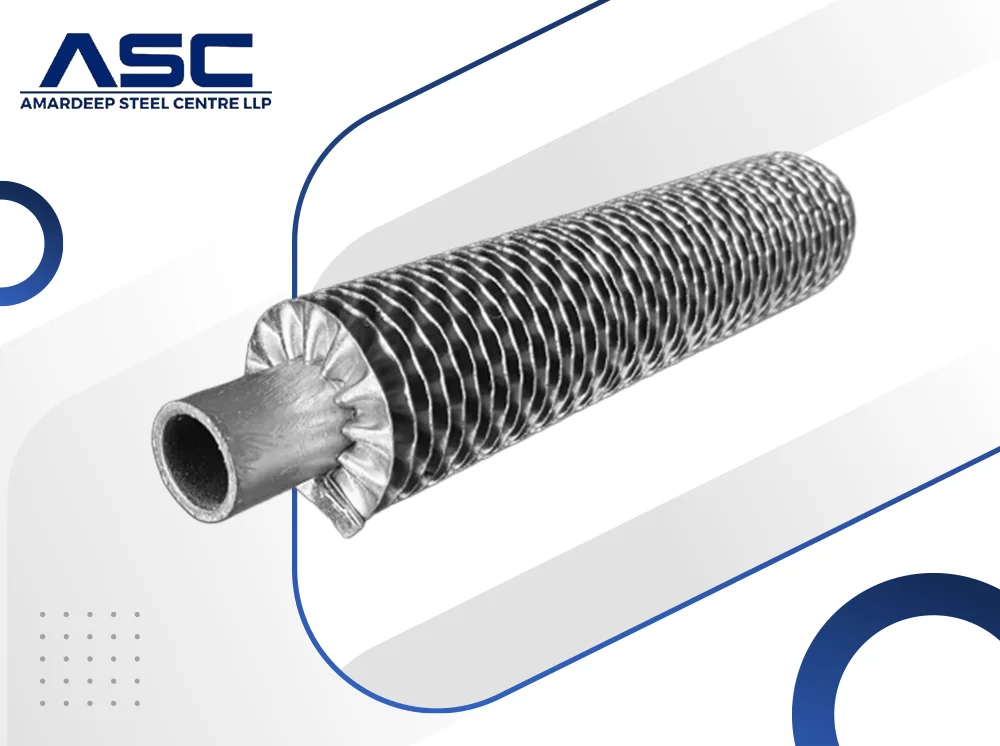
Helical & spiral fin tubes
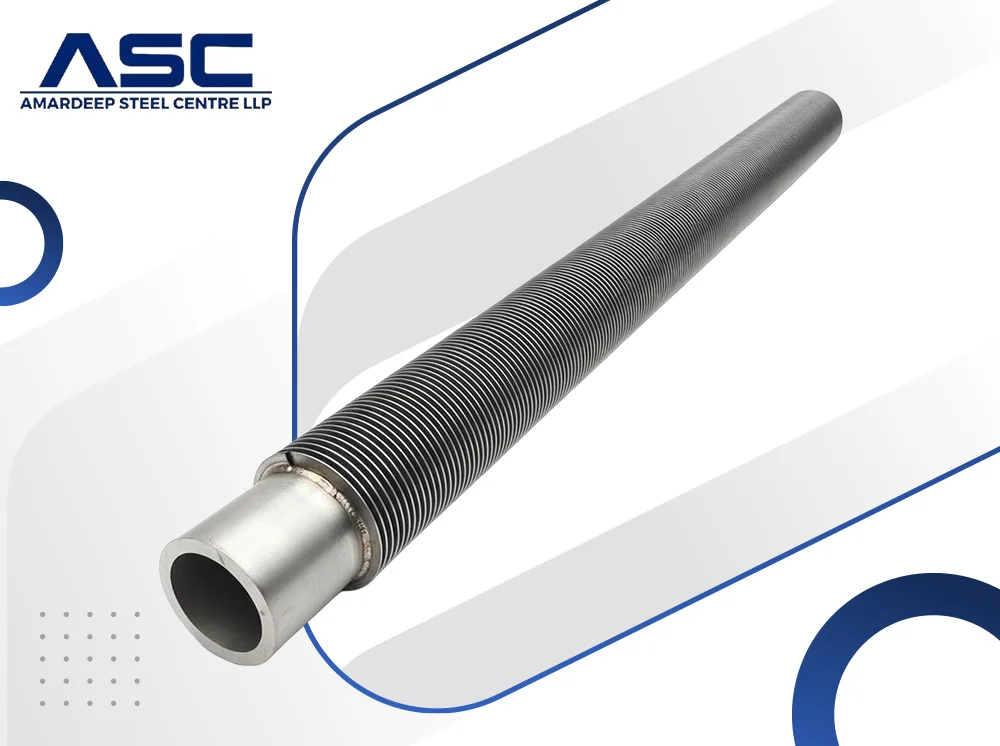
Bimetallic fin tubes
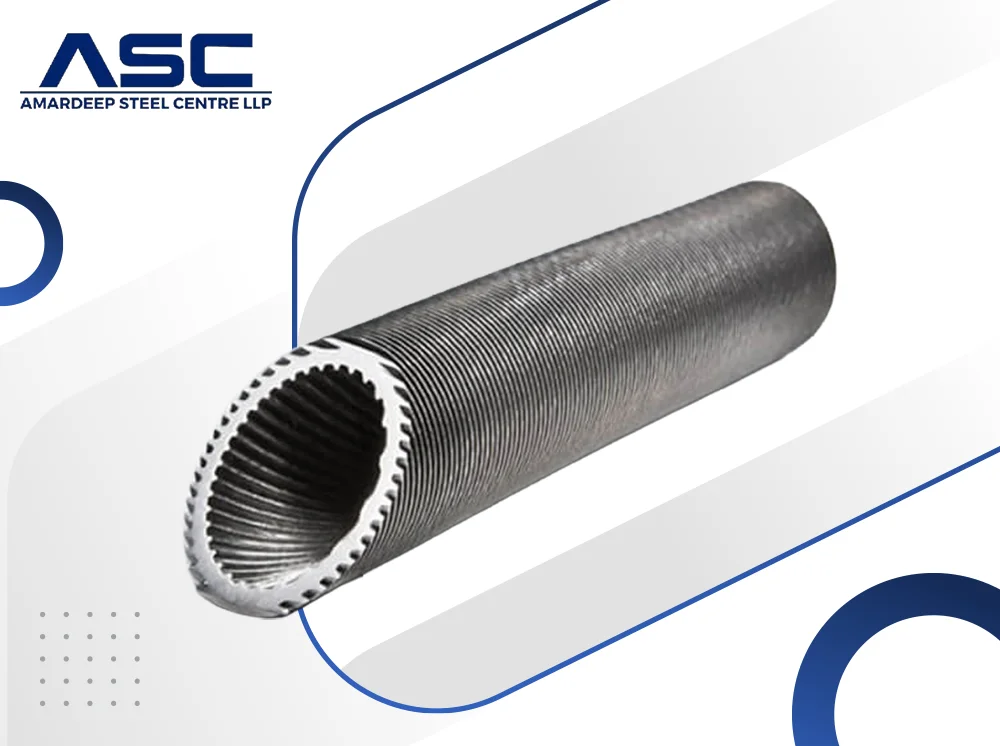
Low fin tubes
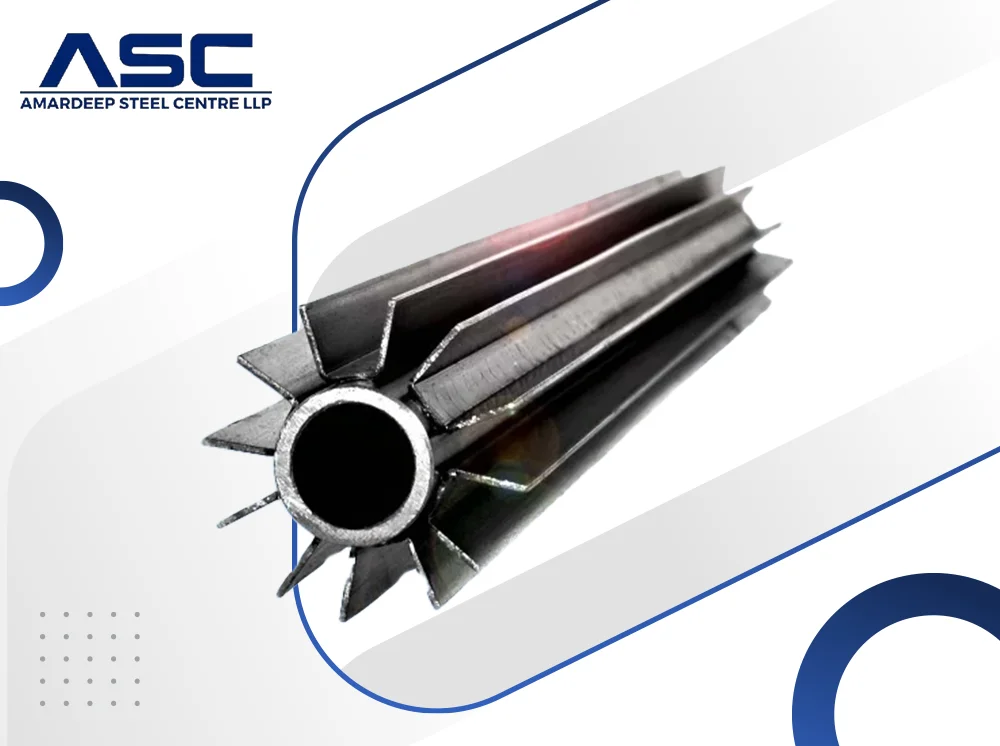
Longitudinal finned tubes
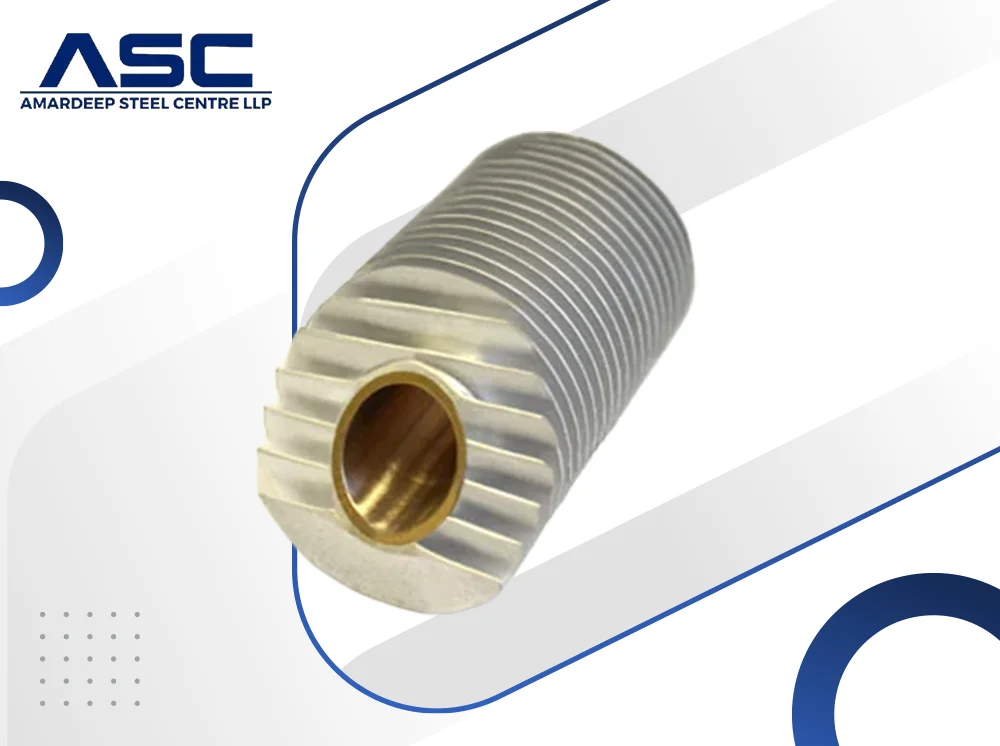
Extruded finned tubes
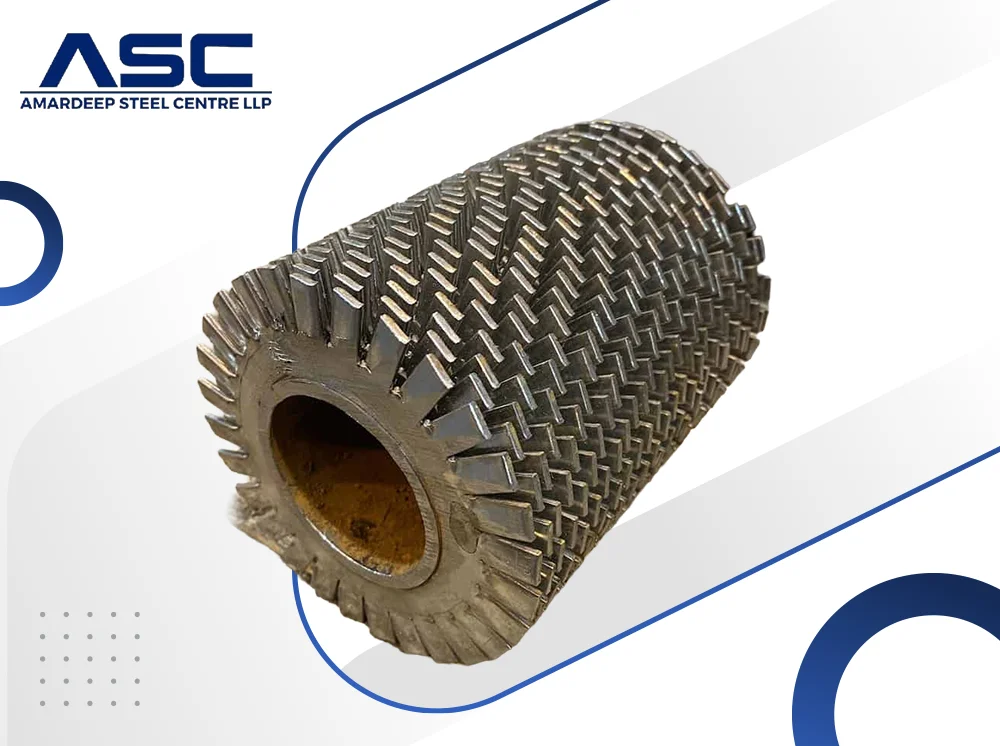
HF welded finned tubes
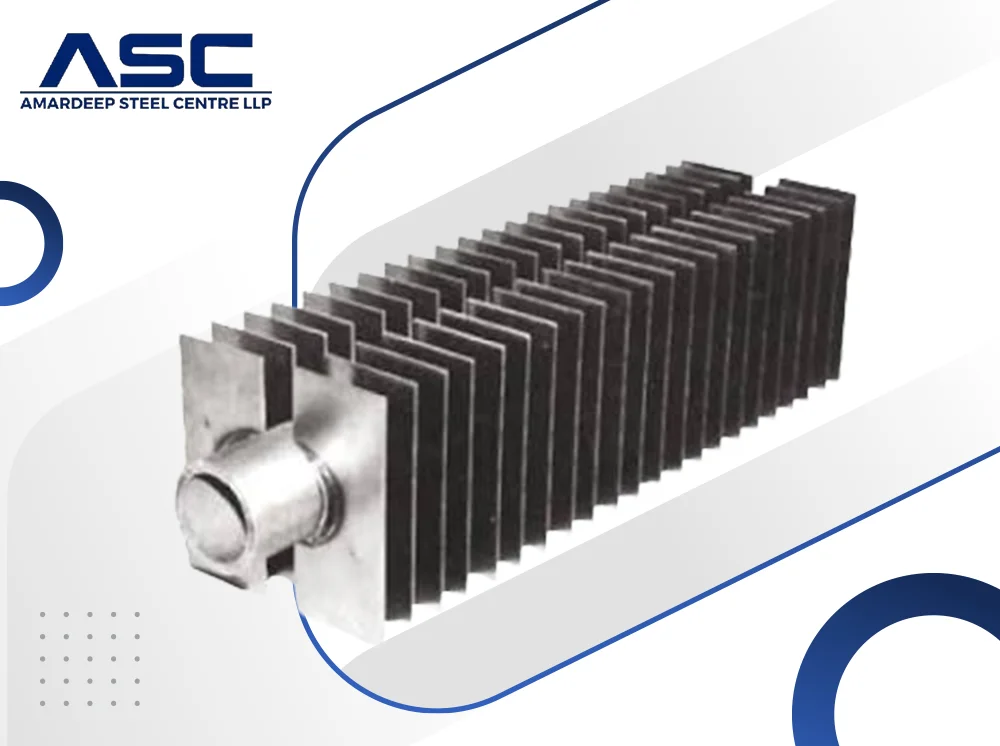
H fin tubes
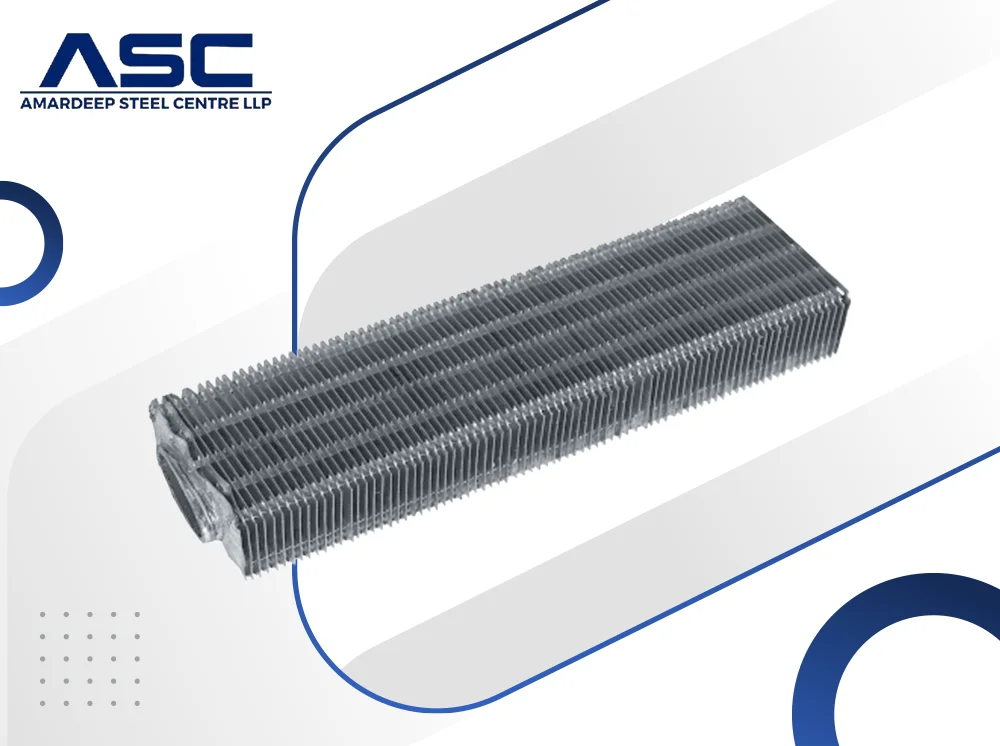
Elliptical stud fin tubes
How to Choose a Finned Tube
| If your service is… | Choose | Why |
|---|---|---|
|
Hot flue gas above 400 °C |
Welded steel fins cannot loosen at high temperature |
|
|
Dusty flue gas |
H fin or solid helical fins |
Easier to keep clean |
|
Air cooler up to about 400 °C |
G-type embedded fins |
Fin locked in a groove in the tube |
|
Air cooler in coastal or humid air |
Extruded aluminium fins |
Aluminium sleeve covers the whole base tube |
|
Low-cost air cooler, mild duty |
Economical wound fins |
|
|
Shell-and-tube condenser or chiller |
Low fin tubes |
Fit standard tube sheets and baffles |
|
Double-pipe or hairpin exchanger |
Longitudinal fins |
Fins run with the flow |
Finned Tubes by Material
| Material | Our page |
|---|---|
|
Carbon steel |
|
|
Alloy steel |
|
|
Stainless steel |
|
|
Copper |
|
|
Copper-nickel |
|
|
Aluminium |
|
|
Brass |
Low Finned Tube Standards
| Standard | Material | Application |
|---|---|---|
|
ASTM A498 |
Carbon and carbon alloy steel |
Heat exchangers for oil refineries and petrochemical plants |
|
ASTM A1012 |
Stainless and duplex steel |
Condensers and heat exchangers for petrochemical and power plants |
|
ASTM B359 / ASME SB359 |
Copper and copper alloy |
Petrochemical heat exchangers; power plant condensers and evaporators |
|
ASTM B891 |
Titanium and titanium alloy |
Condensers and heat exchangers for steam and nuclear power plants |
|
ASTM B924 |
Nickel alloy |
Condensers and heat exchangers for chemical plants |
HF Welded Spiral Finned Tubes – Product Range
| Parameter | Range |
|---|---|
|
Tube outside diameter |
3/8 inch to 8 inch |
|
Fin thickness |
0.8 mm to 3.2 mm |
|
Fin height |
9 mm to 38 mm |
|
Fin pitch |
60 to 315 fins per metre |
|
Finning length |
Up to 24,000 mm |
|
Material |
Carbon steel, low-alloy steel, corrosion-resistant alloy steel, ferritic and austenitic stainless steel, non-ferrous metals |
Key Design Factors
- Fin density (fins per inch or per metre). More fins add surface but narrow the gaps, raising air-side pressure drop, fan power and fouling risk.
- Fin height and thickness. Taller fins add surface but are less efficient at the tip and bend more easily. Thicker fins are stronger and suit high temperatures.
- Fin-to-tube bond. Welded, embedded and extruded bonds hold at higher temperatures than wound fins, which can loosen as the tube expands.
- Base tube material. Chosen for the process fluid inside, its pressure, temperature and corrosiveness.
- Fin material. Aluminium for air coolers, copper for HVAC, carbon or stainless steel for hot or corrosive flue gas.
- Cleaning access. Fin spacing and bundle layout should allow periodic washing or blowing down.
Fouling, Corrosion and Maintenance
Dust, pollen and soot gradually block the gaps between fins and cut heat transfer, often noticeably within one season at dusty sites. Wider fin spacing, for example 5 to 7 fins per inch instead of 10 to 12, lets more dirt pass through and is easier to clean. Where aluminium fins sit on a steel tube in wet or salty air, galvanic corrosion can attack the joint. Extruded aluminium fins, which cover the whole tube, or a suitable coating prevent this. Regular blowing down with compressed air or washing with water keeps air-cooled bundles close to design performance.
Industries We Supply
- Power generation: boilers, economizers, HRSGs, air-cooled condensers
- Oil refining and petrochemicals: air coolers, fired heaters, process coolers
- Oil and gas: gas coolers, compressor intercoolers, LNG plants
- Chemical plants: condensers, reboilers, process heaters
- HVAC and refrigeration: chillers, coils, air heaters
We also build and repair finned tube heat exchangers and offer re-tubing of heat exchangers. For an introduction to every fin design, read our guide to finned tube types.
Send us the fin type, base tube material and size, fin material, height, thickness, pitch, length and quantity for a quote.
FAQs – Finned Tubes
What is a finned tube?
A heat exchanger tube with metal fins on its outside, either fixed to the tube or formed from its own wall. The fins give it 3 to 10 times the outer surface of a plain tube, so it moves far more heat between the fluid inside and the air or gas outside.
What are the main types of finned tubes?
Helical or spiral fins (welded, wound, serrated or crimped), embedded G-fins, footed L and KL fins, extruded fins, low integral fins, longitudinal fins, H and square fins for boiler economizers, and studded fins for fired heaters.
How do I choose the right finned tube?
Start with temperature and environment. Welded steel fins suit hot flue gas, embedded G-fins suit up to about 400 °C, extruded aluminium fins suit corrosive or coastal air, low fins suit shell-and-tube condensers, and longitudinal fins suit double-pipe exchangers.
What materials are finned tubes made from?
Base tubes in carbon steel, low-alloy steel, stainless steel, duplex, nickel alloys, copper, copper-nickel, brass and titanium. Fins in aluminium, copper, carbon steel or stainless steel, depending on temperature and corrosion.
What standards apply to finned tubes?
Base tubes follow their own material standard, such as ASTM A179, A213 or B111. Integral low fin tubes have dedicated standards: ASTM A498 (carbon steel), A1012 (stainless and duplex), B359 (copper alloy), B891 (titanium) and B924 (nickel alloy).
What is the difference between a finned tube and a plain tube?
A plain tube has a smooth outside. A finned tube has fins on its outside that multiply the surface area, which helps when the fluid outside, usually air or flue gas, transfers heat much more slowly than the fluid inside.
Which finned tube is best for high temperatures?
Welded steel fins, embedded G-type fins and studded tubes keep their bond at high temperature. Tension-wound L and KL fins can loosen once the tube runs hot, so they suit lower-temperature duty.
What is a finned tube bundle?
A set of finned tubes fixed into headers or tube sheets to form one heat exchange unit. In an air cooler, the process fluid flows through the tubes while fans push air across the fins.
Our Products
